3 days ago
3
3 days ago
3

Backstory is often maligned despite being vital to storytelling. For example, how many times have you heard someone say, “Backstory is bad, strip it from the scene!” or, “Backstory slows the pace, bogs down the action, and will only bore the reader.”
Blanket statements can do a lot of damage, leaving writers believing they mustn’t ever share a drop of backstory. The problem isn’t backstory but rather the delivery of it, and knowing what is really important enough to include. So let’s open this can of writerly worms and hopefully change a few minds about backstory, and show you the most valuable tool at your disposal for sharing it…the setting.
Hidden Backstory vs. Visible Backstory
There are two types of backstory: hidden backstory, which is for you, the author, and visible backstory, which is for the reader. Both are important, and both are absolutely necessary to build a successful novel.
Hidden backstory is all the great stuff authors need to understand about their characters, especially the hero or heroine. Among other things, this might be knowing the character’s passions and beliefs, how a skill or talent came about, who influenced them in good ways and bad throughout their life, the fears they grapple with, and the source of their deepest emotional wounds.
Knowing our characters intimately means we are able to write them authentically: every action, decision, and choice will line up with who they are deep down. But if we don’t take the time to chart our character’s backstory, we won’t know what makes them tick or why they do the things they do. Chances are, we’ll end up with a one-dimensional character that won’t hold the reader’s attention beyond a few pages.
Visible backstory is the hidden backstory the author intentionally shares with readers so that they better understand the character’s motivation. In other words, this type of backstory supplies context when it is needed.
For example, you could read about a character who avoids everything red: tomatoes, pomegranates, holiday sweaters—he even grows ill at the sight of blood. If the author shows him refusing to buy a couch because it is red or even throwing away a gift basket of beautiful red apples, it stands out as odd, unreasonable, and may even put readers off because they don’t get it. However, with a subtly added touch of backstory, suddenly there is context for this behavior:
Lucas traded his paint roller for a blue-smudged cloth, wiped his hands, and then pressed his knuckles into his hips to stretch. His back resisted the move to straighten, but stiffness couldn’t steal his grin. This was the third coat and hopefully the last, but it was worth doing. To give both himself and the house a fresh start, he needed to do this with his own hands. And now, midday light streamed through the window and glimmered off the blue paint, an expansive wall stretching across the room like his own private sky.
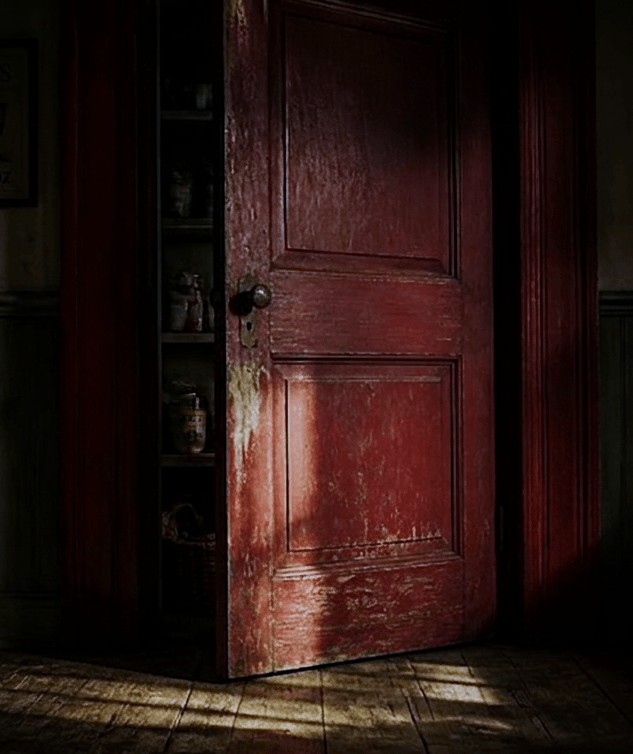
His gaze found a thin slash of old crimson paint at the top of the wall, and his lips flatlined. Why the previous owners would choose such a hue, he couldn’t fathom, but he wouldn’t live in this house until all of it was covered. Twenty years had gone by, but the sight of that shade never failed to put him back in Gramma Jean’s pantry, with the damp rot and moldering fruit and rats scrabbling behind red-lacquered walls. Lucas could not look at the color without remembering the screams wrenching from his throat and the pain of his tiny fingers clawing at the red door until they bled. Gramma Jean might have been long dead, but the memory of what she’d done, over and over, remained.
The doorbell chimed, and Lucas jolted his gaze from the red strip. Some time on a ladder with a small brush and it would be as if the red never was. If only the past could be so easily erased. He swallowed down the bitterness coating his mouth and threw on his best “friendly new neighbor” smile on his way to the door.
Now, with the addition of backstory, we see Lucas’ behavior for what it is: echoes of fear from a past trauma. Not only does this give readers clarity regarding his actions, but it also pulls them in through this personal doorway to an old wound that still pains him.
Backstory is frequently demonized because it’s easy to be heavy-handed when delivering it. When showing an important moment from a character’s past, sometimes we get so caught up in painting the picture for readers that we try to deliver a Rembrandt. The result is a painfully lengthy flashback, or the dreaded info dump, each the literary equivalent of 99 Bottles of Beer on the Wall. Get in, and get out, sharing only what is needed.
The Golden Rule of Backstory: No Dumping
With backstory, the trick is to only show what is necessary to supply context–no more, and no less. Tie it to the current scene and the emotions at play so it’s delivered seamlessly with the action. Choose powerful details to convey what you need to. Like the thin strip of red paint in the example above, think about what symbols in the setting can be used to create a doorway to the past. Make each word earn its place. In this way, we can add depth and meaning without sacrificing the pace.
What are your thoughts on backstory, and how
do you slip it into your stories?
Summary for Busy Writers
The setting is so much more than a backdrop, so mine it for all you can. It influences how characters move, what they notice, how they feel, and can highlight the obstacles that stand in their way. Choose a location that means something to your characters or stage it with symbols that let you dip into the past just long enough to show readers the emotional undercurrents of your scene.
Need Help Optimizing Your Settings?

Finding the best location for a scene and describing it so readers feel immersed isn’t easy.
If you need help, The Urban Setting Thesaurus: A Writer’s Guide to City Spaces and The Rural Setting Thesaurus: A Writer’s Guide to Personal and Natural Places cover 200+ locations and provide lists of sensory details for each, plus a masterclass of teachings on how to make your settings do more for your story.
List of locations covered in the Urban Setting Thesaurus
List of locations covered in the Rural Setting Thesaurus
The post How to Deliver Important Backstory Using the Setting appeared first on WRITERS HELPING WRITERS®.